Last year treated Australia to heaps of jaw-dropping cosmic phenomena, and 2026 promises to be just as magnificent! The skies have meteor showers, supermoons, and a rare planet alignment in store for us. Here are some of the most promising astronomical events happening this year.
Total lunar eclipse
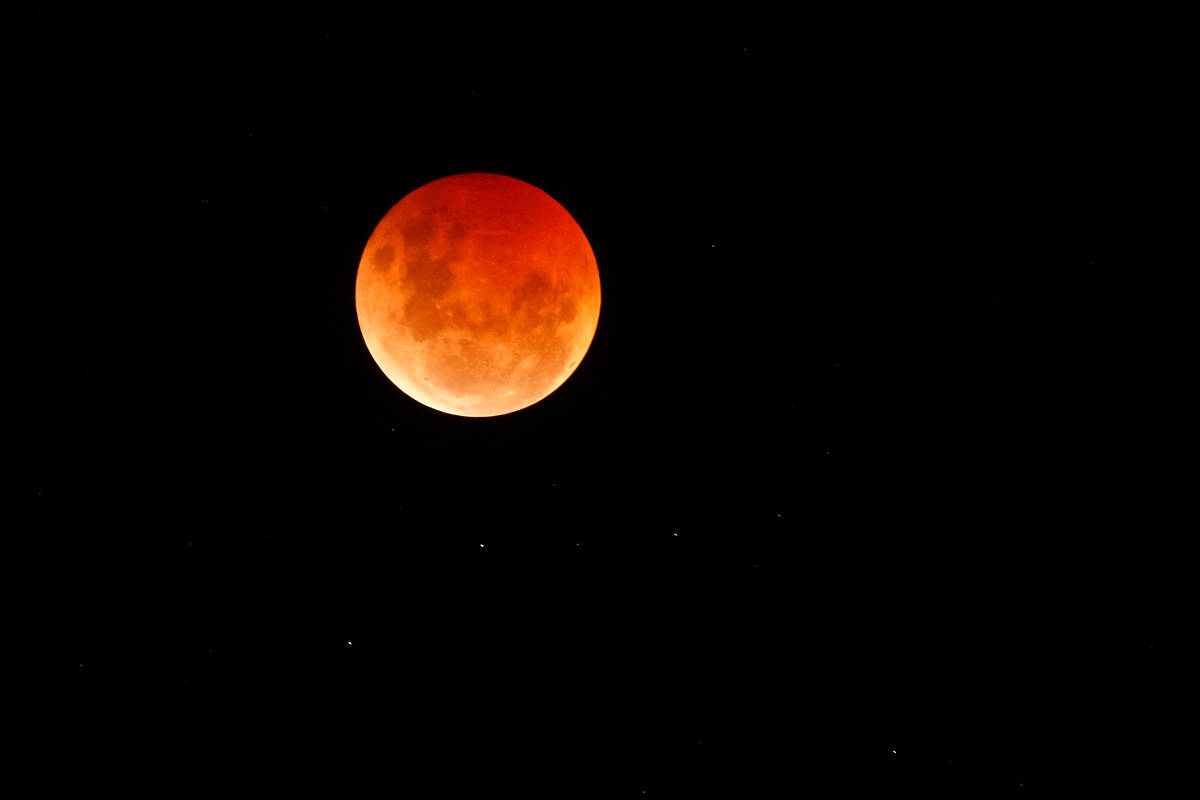
On March 3, Aussies will be in for a treat, as the Moon will pass completely through the Earth’s umbra, resulting in a total lunar eclipse that’ll make our gorgeous satellite take on a rusty red colour! You really won’t want to miss it, because the next one won’t happen until 2028!
Planetary alignment
A relatively rare phenomenon and a Southern Hemisphere exclusive (pretty much), three planets — Mercury, Mars and Saturn — will be squeezed into a small space on April 20, in a so-called “planetary parade.” We lucky people in the Southern Hemisphere will be able to see the tight triangle formed by the three planets about an hour before sunrise!
Additionally, June 10 will be one of the best nights for naked-eye stargazers because Jupiter, Venus and Mercury will be dancing in the evening twilight, with the first two approaching the latter and illuminating the sky.
Eta Aquariid meteor shower
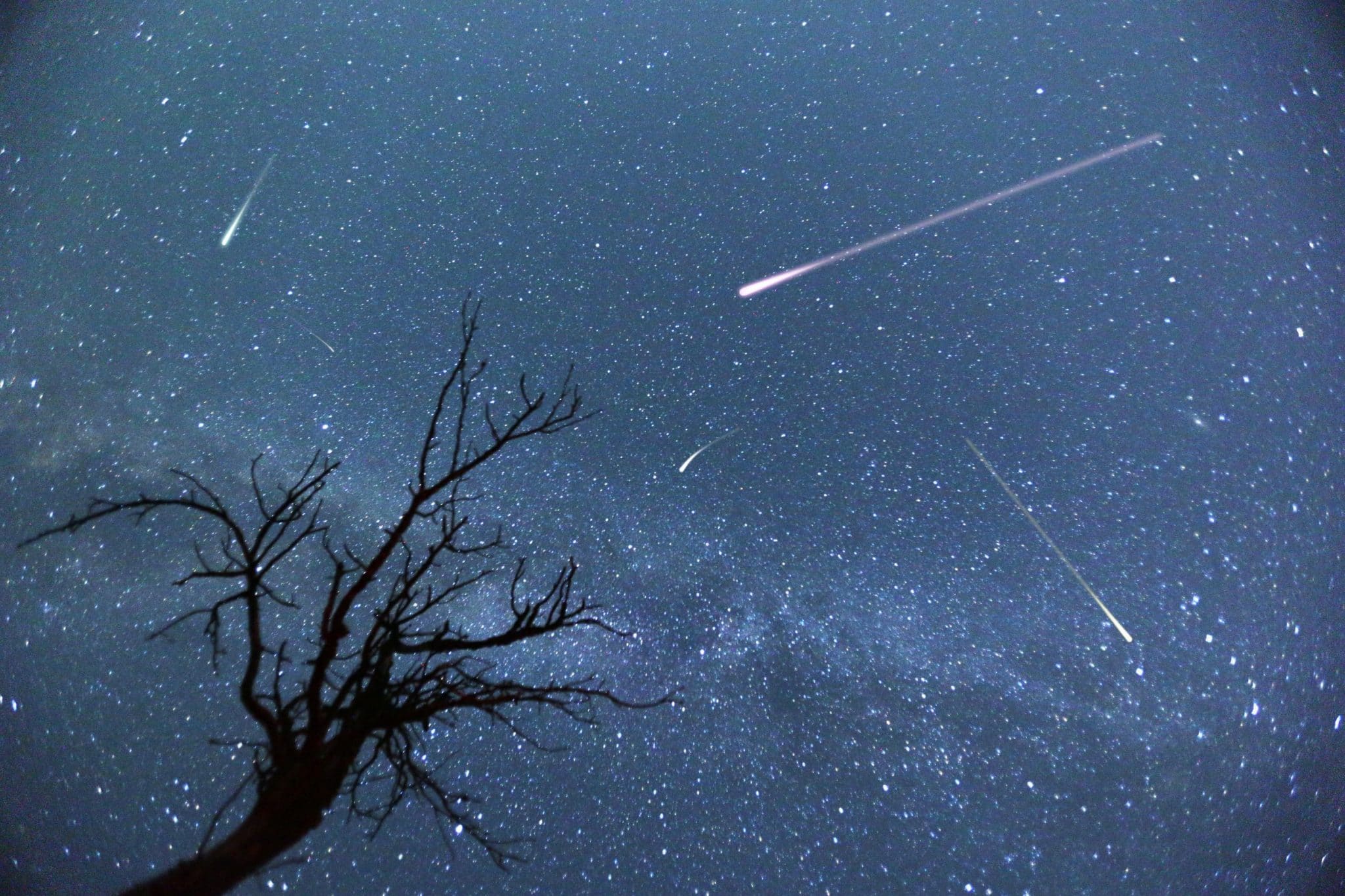
The Eta Aquariid shower starts in April and runs through almost all of May, but it will peak on the night of May 6 and the morning of May 7. This spectacle occurs as the Earth moves through the dust and gas left by Halley’s Comet, and is one of the best meteor showers to see from the Southern Hemisphere!
Lunar occultation
On November 2, the Moon will pass in front of Jupiter, creating a lunar occultation — a conjunction between the two orbs — in the night sky. This is a special one, as lunar occultations are only visible from a small fraction of Earth’s surface, due to the Moon’s proximity and position in our sky.
Supermoons
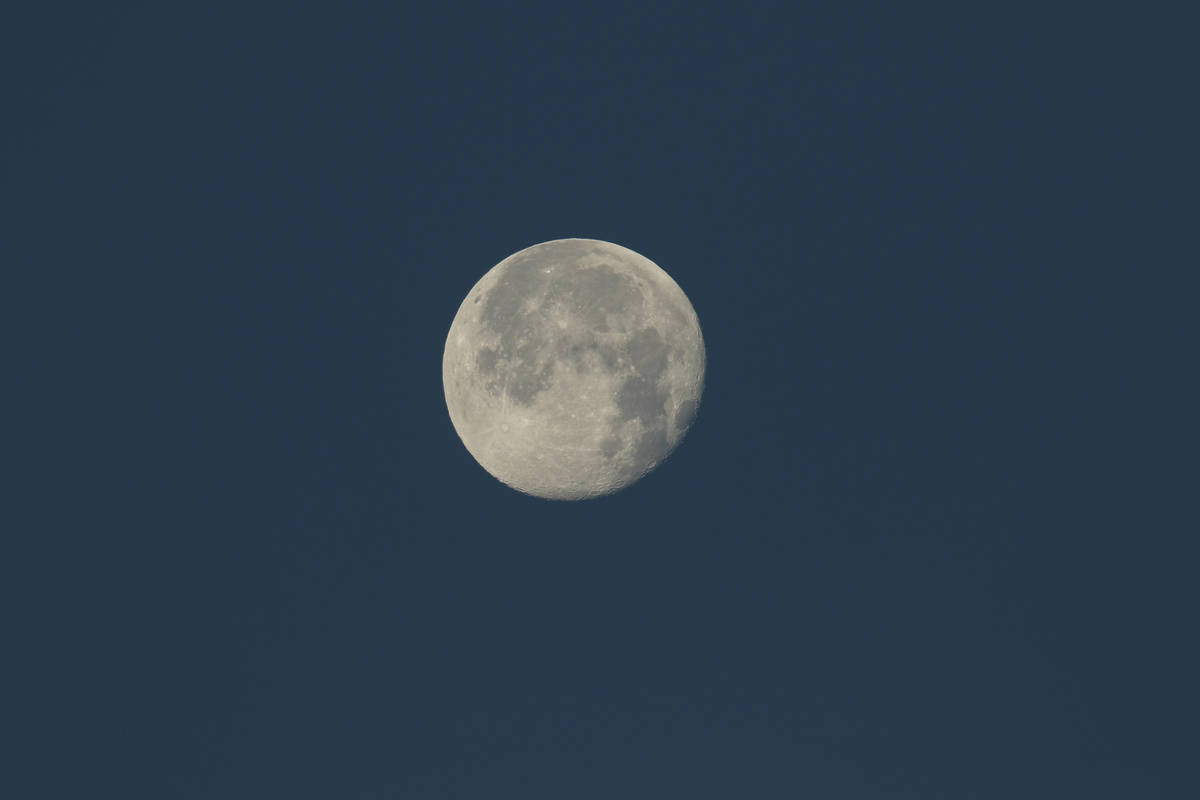
Supermoons occur when the full moon or new moon happens during the Moon’s closest approach to Earth. This year’s will fall on January 3 (Wolf Moon), November 24 (Beaver Moon), and December 23 (Cold Moon).