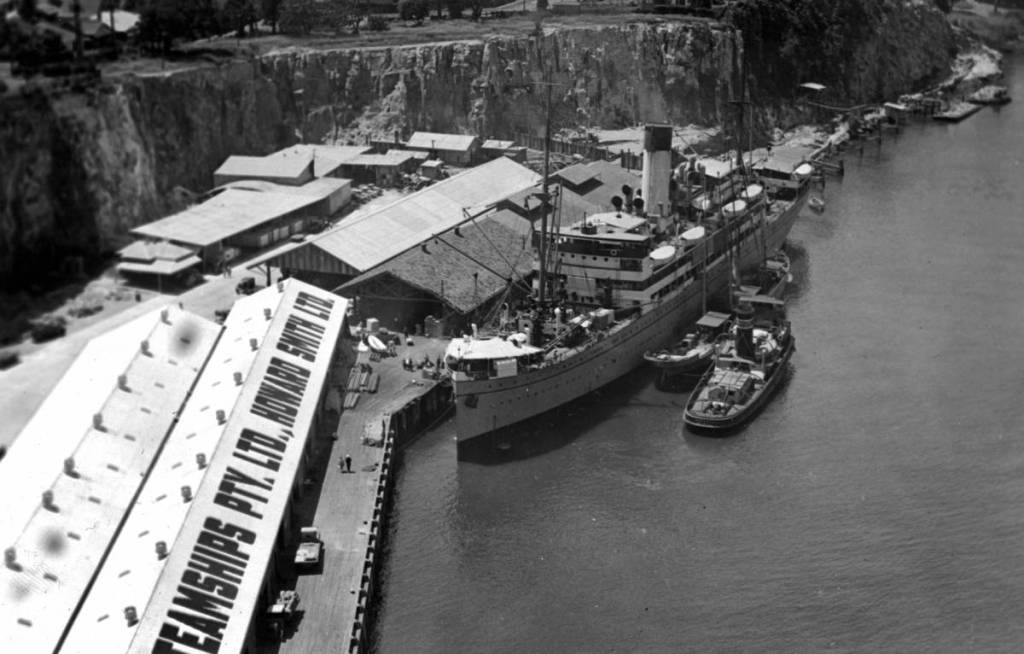

We all know Howard Smith Wharves now as one of the spots for riverside dringing and dining; with versatile spaces like Felons Brewing Co., bars with stunning views like Fiume, and its own festivals and events — such as the deliciously immersive FESTA ITALIANA — it’s a go-to spot for many Brisbanites.
Given its popularity, it’s hard to believe that it’s only been around for 8 years! In its current form, that is, because this wharf has been a place of note in Brisbane’s history ever since the 19th century. Starting in the 1840s, when Moreton Bay became open to free settlement, there was a gradual move downstream of port facilities in Brisbane.
Taking advantage of the growing shipping industry in Brisbane, William Howard Smith & Sons Ltd — later Howard Smith Co. Ltd — leased a Commercial Wharf from the Brisbane Municipal Council in the 1880s, and proceeded to lease adjacent new wharves as they were built, in the beginning of the 20th century.
But the golden age of the Wharves was yet to come. The Great Depression was responsible for making the space into what we know today, in fact. Having demolished and rebuilt the wharf at the end of Boundary Street, renaming it the Brisbane Central Wharves — better known as the Howard Smith Wharves — the government came up with a work scheme to provide economic relief. Starting in 1934 and continuing into the early 1940s, the Wharves were developed alongside Story Bridge as a way to incentivise the economy and provide employment.
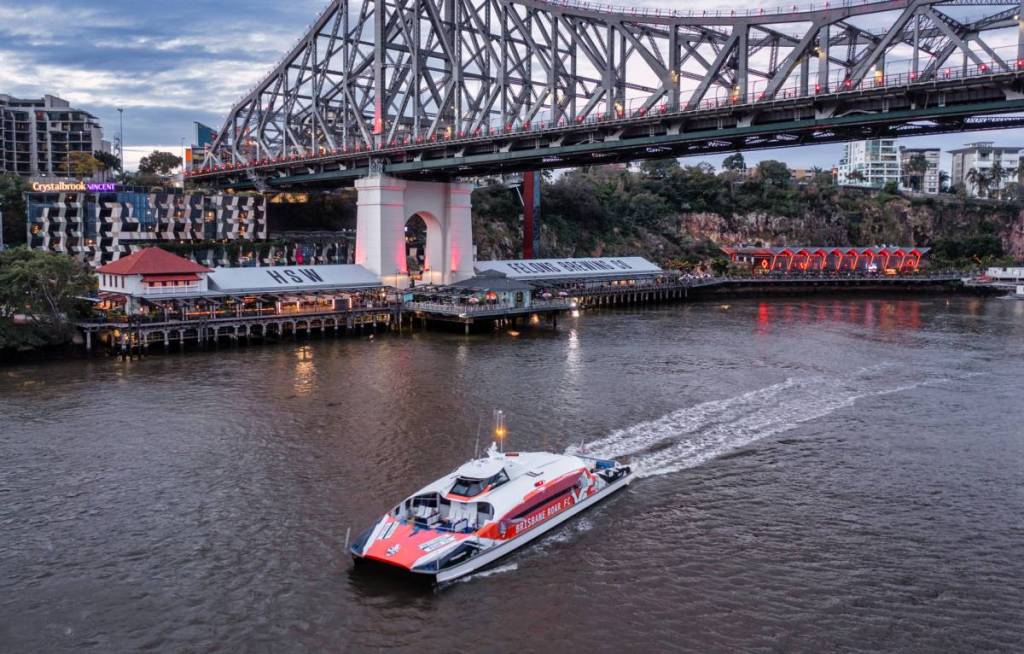
During World War II, five air-raid shelters near below the cliff face, due to its location right under the finished Story Bridge, but they were never used. They still stand to this day, with one of them having been converted to a lavatory block.
When the port moved downstream after Smith’s lease expired in the 1960s, the Wharves became basically abandoned. They were used for storage by The Water Police and Queensland Works Department, and little else, until 2018.
At the time the redevelopment started, they could not have known that they would stumble onto a goldmine of historical artefacts that had been untouched for decades, but they indeed found a rare surviving example of early infrastructure in Brisbane.
Choosing to preserve those structures, HSW became the first — and only! — Queensland site to achive Heritage Hero Status by the National Trust, thanks to their commitment to presevation and to opening up these spaces for the whole community to enjoy.
So next time you’re having a few at Felons, or a tasty meal at CIAO, take a moment to appreciate the blend of natural and industrial beauty that surrounds you.