
August is looking like a stellar month for avid stargazers, despite missing out on the eclipse gracing the Northern Hemisphere, because we’ve got the annual Perseid meteor shower and an awesome planetary alignment to look forward to. So look skyward and feast your eyes! Here’s everything you need to know about this celestial event so you can make the most of its beauty.
Perseid Meteor Shower
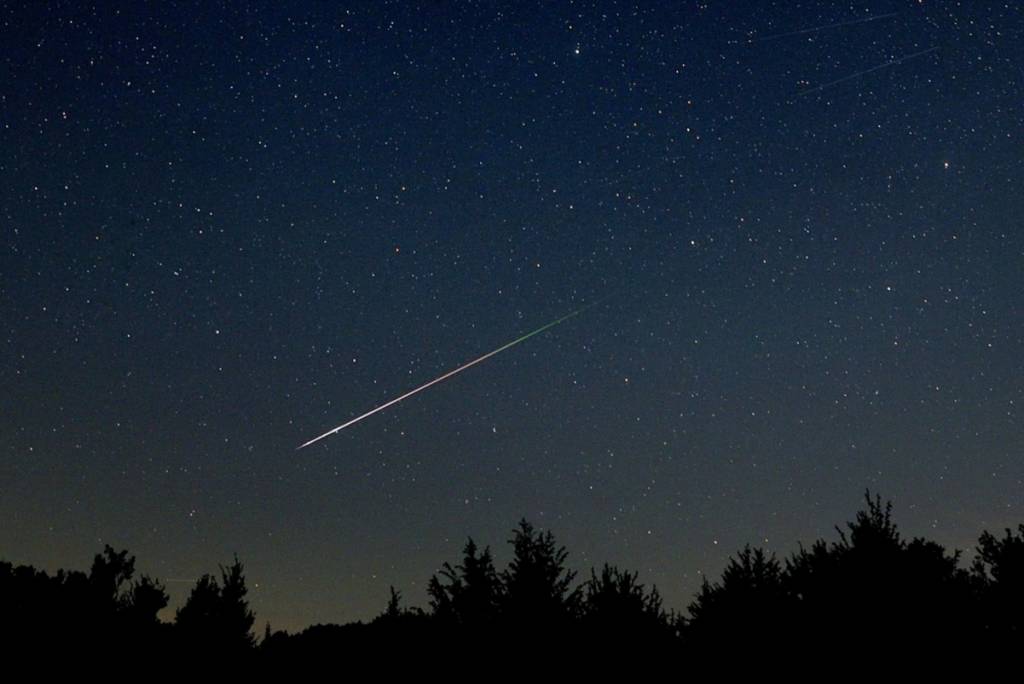
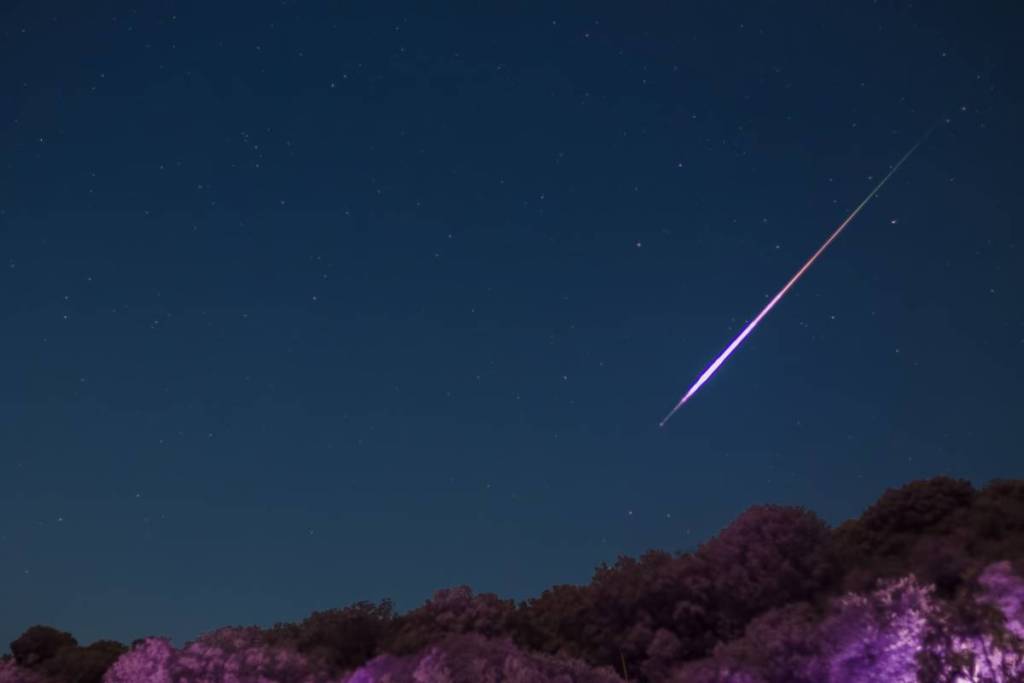
As its name suggests, the Perseid meteor shower’s radiant — what appears as its origin — is the constellation Perseus. It occurs when the debris that comes from a comet called Swift-Tuttle collides with our atmosphere and burns up under the constellation. Swift-Tuttle has a long history of making humanity look up in awe, as it orbits the Sun every 133 years, shedding its glowing remnants as it goes. Thanks to this, each year, the southern hemisphere is lit up by this fiery phenomenon from July to August, and the brightest fireballs will be visible throughout Australia this week.
Now, because the Perseids are more visible in the Northern Hemisphere, it can be tricky to catch them from Australia, but we’ve got some good news: first, Brisbane’s position actually gives us quite a good chance of spotting them and, very luckily, this year the shower coincides with a new moon, so there will be almost no moonlight impeding our viewing!
When to see it
Although the shower has been going on for some time now, it’s set to reach its peak in the early hours of Thursday, August 13, around 3am to 5:39am. As mentioned, this year’s viewing conditions are ideal, as the moon will be in its darkest phase, so you may even be able to catch a glimpse of the Perseid meteor shower even sooner!
Where to see it
Thanks to the new moon, the Perseid shower may be visible even from urban environments.
However, you’ll have an even better, front row seat to nature’s fireworks if you head to a dark, clear location like the Mt Coot-tha Summit Lookout or, if you don’t mind a bit of a longer drive, remote spots like Wild Horse Mountain and Lake Moogerah both present the opportunity for some incredible views. We recommend consulting a light pollution map and you can also find more tips on how to make the most of any meteor shower here.+
Planetary alignment
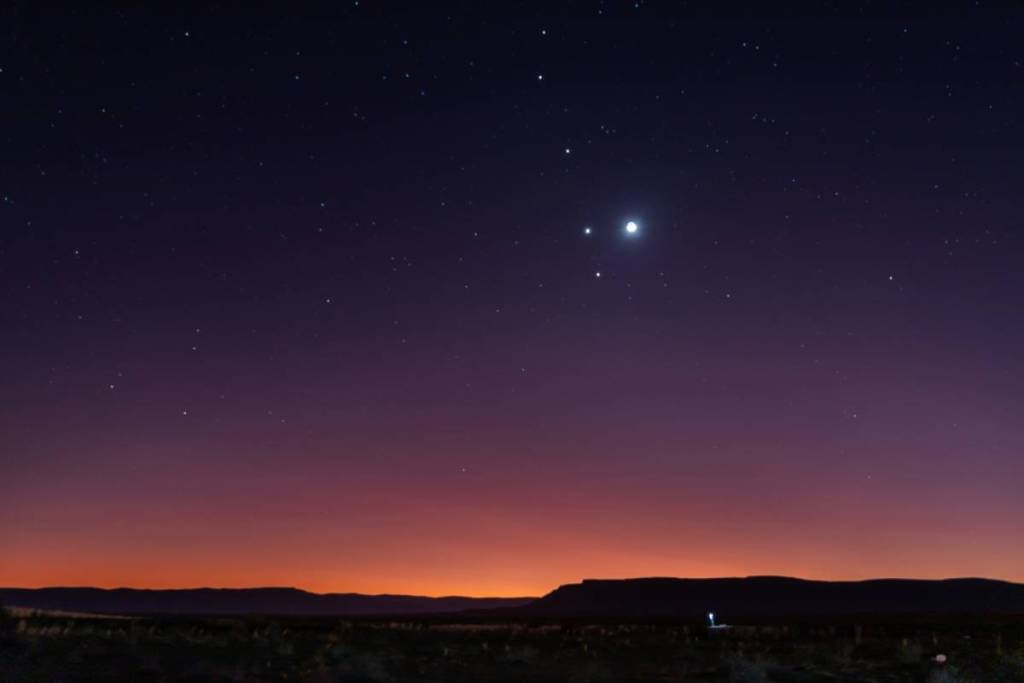
A relatively rare phenomenon, no fewer than six planets — Jupiter, Mercury, Mars, Uranus, Saturn and Neptune — are all squeezed into a small space this week in a so-called “planetary parade.” Although the best time to spot the cluster was the morning of August 11, we lucky people in the Southern Hemisphere should still be able to see the formation before dawn on Wednesday, August 12 and Thursday, August 13.
Due to our position, Mercury and Jupiter may be harder to see, but Mars and Saturn will be quite easy to spot, even with the naked eye. Still, if you want to get the full effect of it, we do recommend getting yourself some binoculars or a telescope. You can double check the times when they’ll be visible here.