

Some places seem to exist out of time, and St John’s Cathedral is one of them. With spires and sandstone turrets that rise quietly above the city’s streets, the cathedral feels worlds away from the modern Brisbane which encloses it — a feeling which only exacerbates once you step inside. Through towering stained glass filters the sharp Brisbane sun, casting technicolor shadows through air of centuries past onto stone arches that stretch and yawn above. The rare sense of stillness and wonder is what makes St John’s one of the most magical concert settings in Australia.
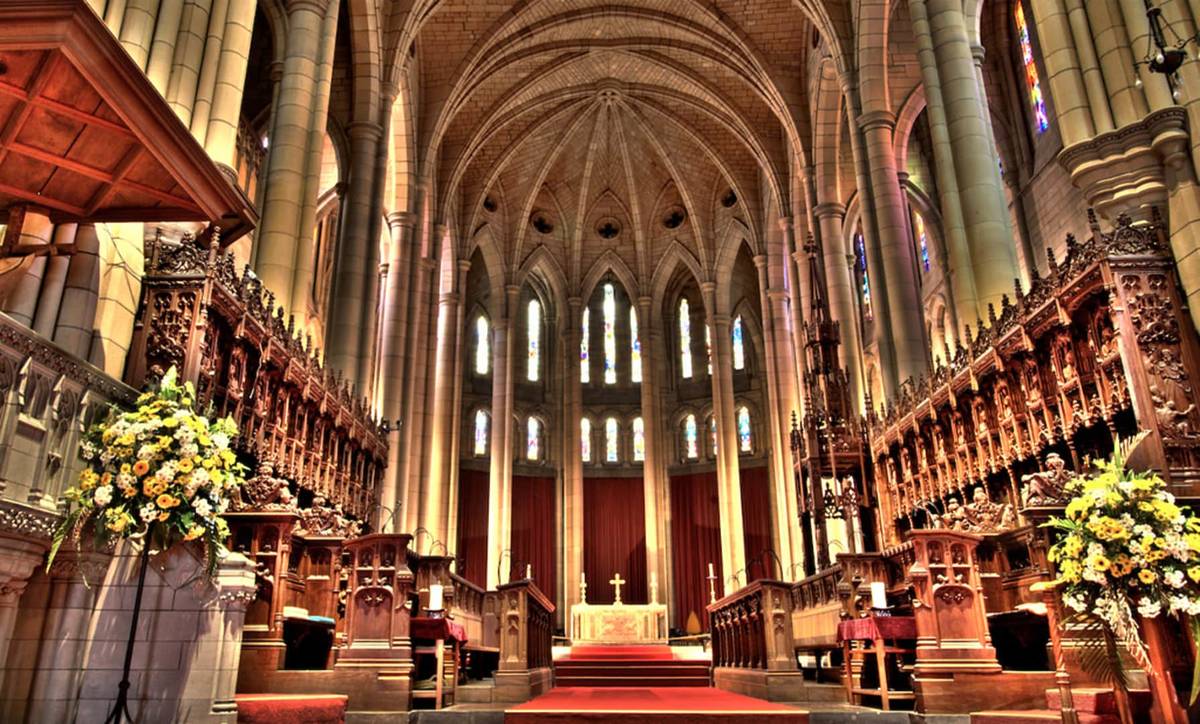
Unlike almost any other venue in the region, St John’s Cathedral is the only building in the Southern Hemisphere with a fully stone-vaulted ceiling. Designed in the Gothic tradition, its architecture naturally shapes sound, allowing music to rise, linger, and fade in a way that feels almost otherworldly. Notes dance through the space, carried by stone and silence alike.
Candlelight: The Lord of the Rings
To experience a concert at St John’s Cathedral is to experience music amplified by history, profound architecture, and atmosphere. Notes are shaped by stonework, and rhythms by light, a unique preservation of age-old musical tradition within the modern city. It’s within this setting that Candlelight: The Lord of the Rings arrives in Brisbane, bringing its sweeping score to a cathedral already steeped in its own sense of myth and meaning. With only four performances scheduled, this rare convergence of music and place will be gone almost as quickly as it arrives.
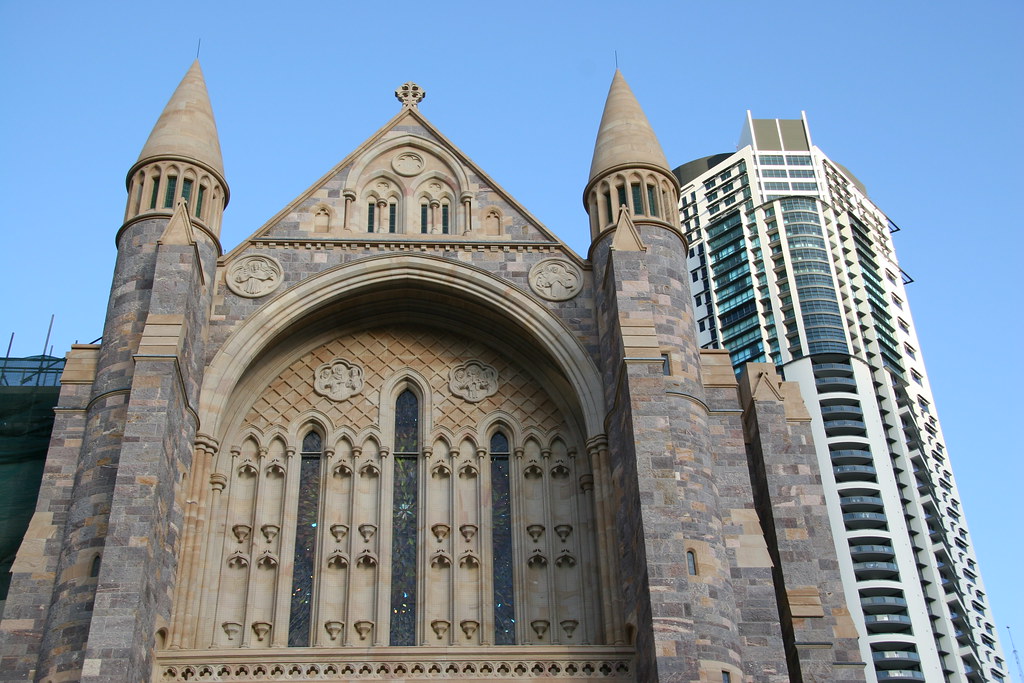
In 2009, St John’s Cathedral was named a Q150 Icon, a recognition of its position within the collective soul of Queensland. And when you look closer at the cathedral, the magic only deepens. Within the baptismal font lies 350-million-year-old fossilised limestone, ancient stone shaped long before the city existed, quietly holding the echoes of countless lives and centuries gone by. Its stronghold for living history continues in the cathedral’s quiet guardianship of an ANZAC flag, the last flown during the evacuation of Gallipoli in 1915. Preserved inside the cathedral, it stands as a powerful reminder of the real histories carried within this space.