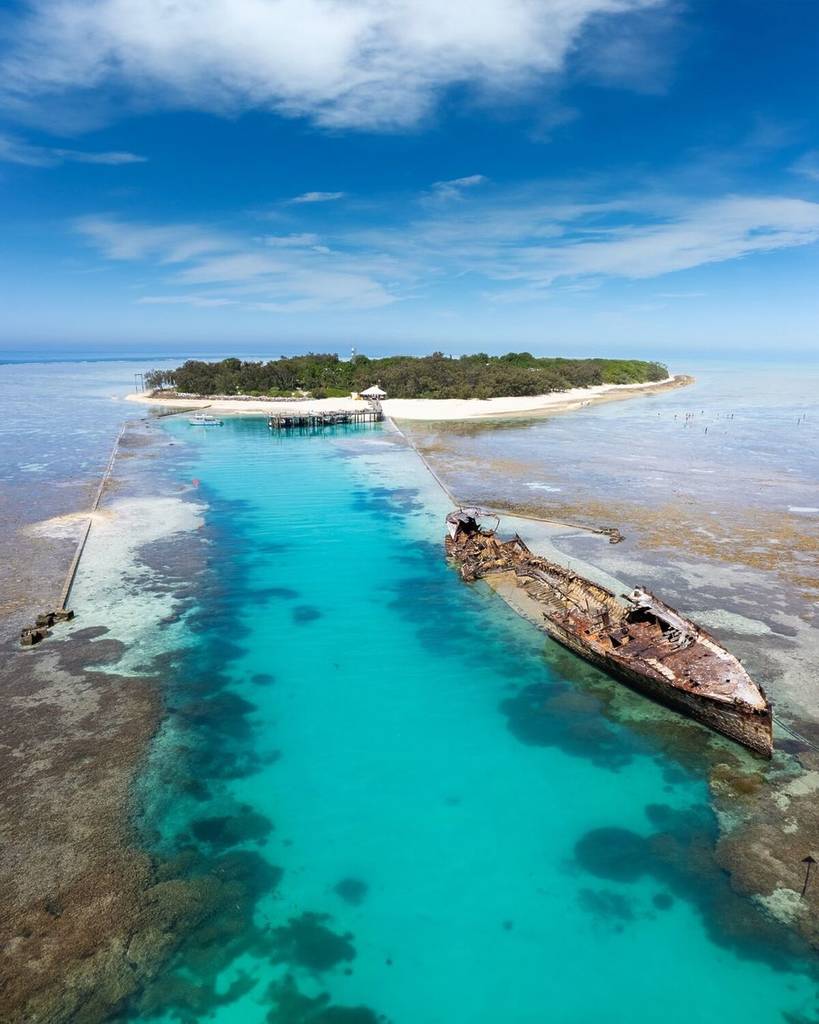

Nature lovers may be spoilt for choice in our beautiful Sunshine State, but Heron Island easily snags one of the top spots of any list worth its salt.
A natural coral cay that is both a part of the Great Barrier Reef and surrounded by it, Heron Island is a wonder of biodiversity. So much so, that a photo of it was included on the Voyager Golden Record, a phonograph sent past the limits of the Solar System aboard the Voyager 1 and Voyager 2 spacecrafts to showcase the diversity of life and culture on Earth.
It makes complete sense: after all, Heron Island is home to what is affectionately known as The Great Eight. This refers to a selection of some of the Reef’s favourite inhabitants, namely Clownfish, Giant Clams, Manta Rays, Maori Wrasse, potato cod, sharks, turtles and whales.
Not only that, but it’s also home to around 1000 of the 1,600 different fish species that can be found on the Great Barrier Reef and 72% of the more than 450 species of hard coral in the Reef, making it a World Heritage listed Marine National Park.
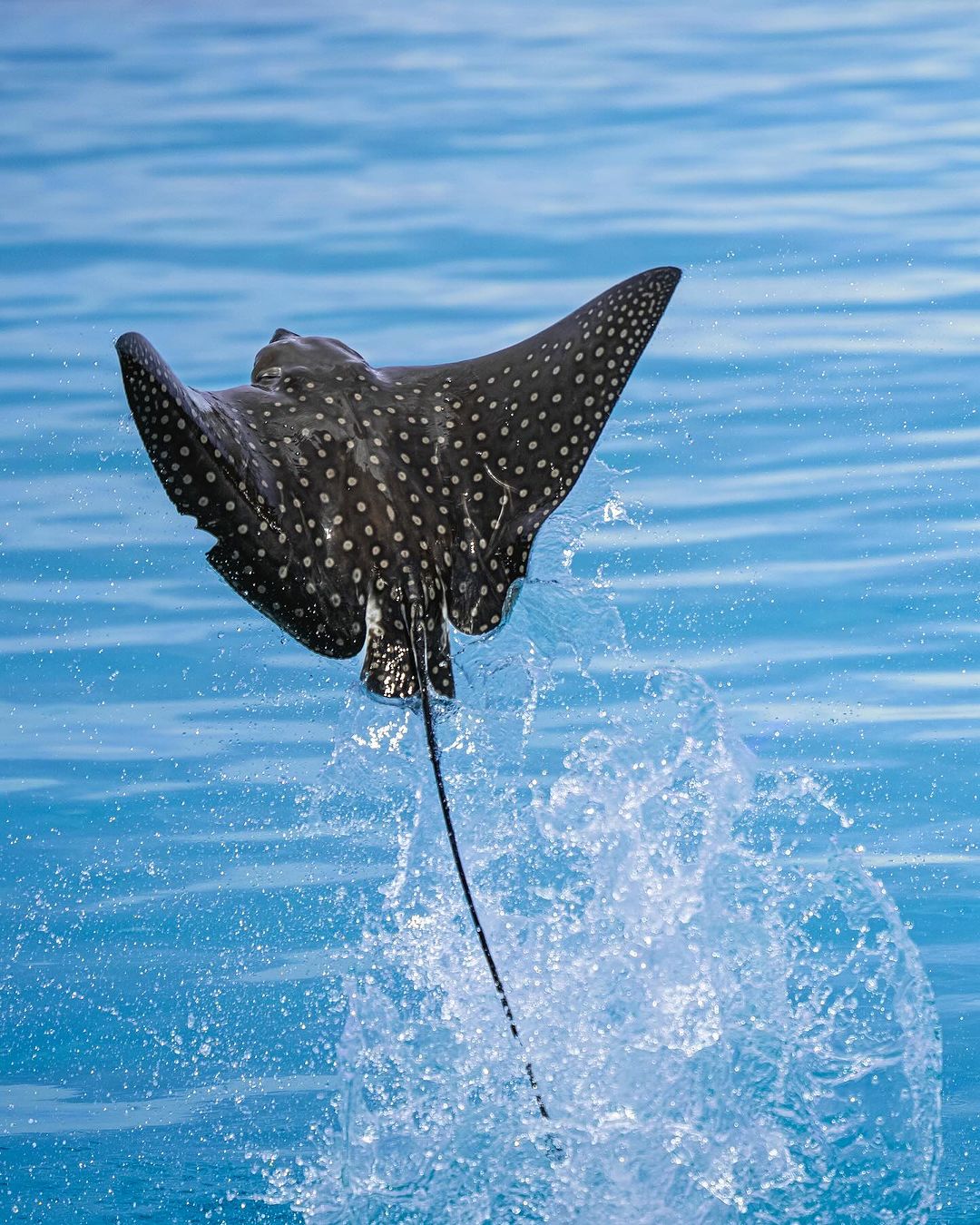
If this didn’t already make it obvious, what it all adds up to is one of the best places in Queensland for snorkelling! Dive into the crystal-clear water and you are basically guaranteed marine life sightings, including turtles, fish, rays and reef sharks. At high tide, you can snorkel right off the shore, or you can join a boat tour to go further out and easily visit multiple locations in one day. You can also paddleboard or kayak.
Not feeling the water? No problem! Heron Island Resort, the only accommodation on the island, offers free guided Reef Discovery Walks with expert guides when the tide is low, or even a semi-submersible I-Spy tour! For an even more chill experience, you can turtle-watch from just outside the bar area, by the resort’s swimming pool during high tide.
Possibly Heron Island’s biggest attraction is the opportunity to witness Green Turtles and Loggerhead Turtles nesting and hatching, roughly from October to December for the former, and January to May for the latter. This wondrous event is a once-in-a-lifetime experience and a touching illustration of the fragility and persistence of life, from the adult turtles hauling themselves up the beach to lay their eggs, to their tiny hatchlings waddling quickly down to the ocean.
It’s not just turtles that find sanctuary in this idyllic island: Humpback Whales are also visible off the jetty during wintertime. They are frequently seen breeching in the channel between Heron Reef and Wistari Reef. Plus, a huge variety of migratory seabirds — over 100,000 at peak nesting season in January — make Heron Island their home. So when you’ve had enough of marine life, you can wander through the ancient, shady Pisonia forest, whose trees share a symbiotic relationship with nesting Noddy Turn birds.
You can even go behind the scenes with a tour of the southern hemisphere’s largest marine science research station, The University of Queensland’s Heron Island Research Station, and find out all about their current projects and experiments.
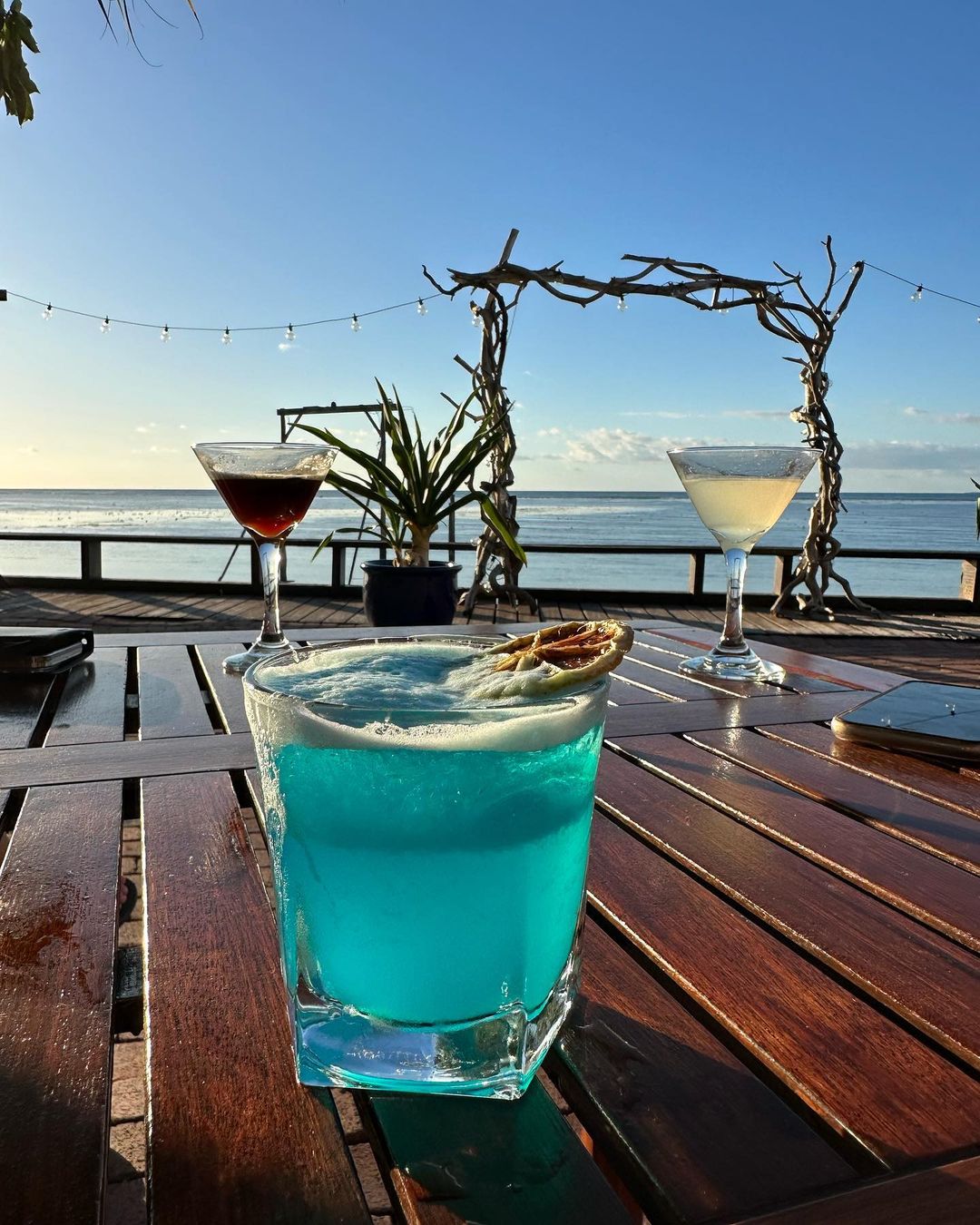
And don’t worry, we didn’t forget arguable the most important thing: relaxing. What’s an island holiday for if not for being pampered and lying by the pool? That’s exactly what Heron Island Resort is there for, with chill sunset cruises every evening, a day spa and, of course, a bar and pool.
How to get there
Heron Island is in the southern part of the Southern Great Barrier Reef, around 72km northeast off the Gladstone coast. Getting to Gladstone is easy from Brisbane: you can make a road trip of it and take on the 6-hour drive, or fly directly, which takes about an hour.
From Gladstone, Heron Island is only accessible via a 2-hour scenic ferry, which operates daily except for Tuesdays, Thursdays and Christmas Day or, if you’re feeling adventurous, you can take a 30-minute helicopter ride.