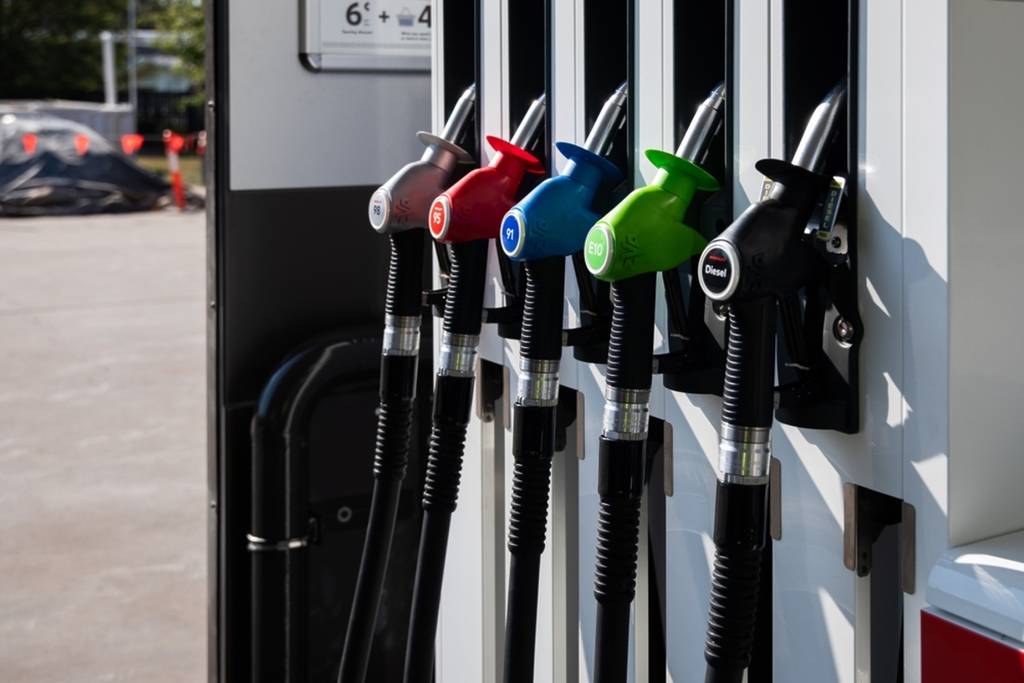
Brisbane is a great place to live, but it’s not without its problems. Not only do we have to deal with above average traffic on our daily commutes, but we also paid more for unleaded fuel than any other Aussie capital in 2025 per RACQ’s Annual Fuel Price Report.
Brisbane’s average price for regular unleaded was 185.2 cents per litre (cpl), much higher than Adelaide’s 173.8cpl, and even narrowly beating out the capital’s 184.1cpl price. And, despite improving from 2024, we also happen to have the second highest diesel price in the country (189.6cpl).
According to RACQ Principal Economic and Affordability Specialist Dr Ian Jeffreys, 2025 marked the third year in a row that we’ve earned this dubious honour, in part because of limited competition dominated by larger companies and an exaggerated price cycle.
Why does this happen?
Southeast Queensland operates on a price cycle. About 15 years ago, this cycle would usually play out within one week, but the fluctuation has now lengthened to around a month, broadly starting off cheap, and then peaking before going back down, exposing Brisbanites to unpredictable price swings, and irregular, drawn-out discounting periods. This extended price cycle has been influenced by a variety of factors, including a saturated fuel retail market and stronger price competition.
What can I do?
It may be inconvenient but, in the short-term, motorists’ best bet may be to shop around. Prices did drop in 2025 compared to 2024 (down 9.3cpl), and that is especially the case in some suburbs, as prices may vary as much as 40cpl!
In 2025, Kuraby had the cheapest petrol, with an average of 162.8cpl, compared to the most expensive suburb, Clayfield, with a price of 200cpl. Prices can even differ significantly between providers, as was the case with U-Go Rocklea charging 159.8cpl on average, while at BP Milton fuel cost 205.4cpl.
Other spots that have consistently remained cheap include Bracken Ridge, Bald Hills, Sandgate, Eight Mile Plains, Underwood and Capalaba, among others. It’s always a good idea to check prices around your area before fuelling up.
These are all consumer-based solutions, of course, and more of a band-aid than a true solution, which would involve market regulation to prevent unfair price hikes and encourage a greater number of independent businesses.
In the meantime, we recommend comparing prices and supporting retailers that set fair prices. Drive safe!