
This month’s full moon, known as the Buck Moon, will be gracing our skies on the night of Thursday, July 30! It’ll be worth looking skyward for, especially as it heralds further cool astronomical phenomena to come later this year. Read on to find out more about it and how to spot it.
Why “Buck Moon”?
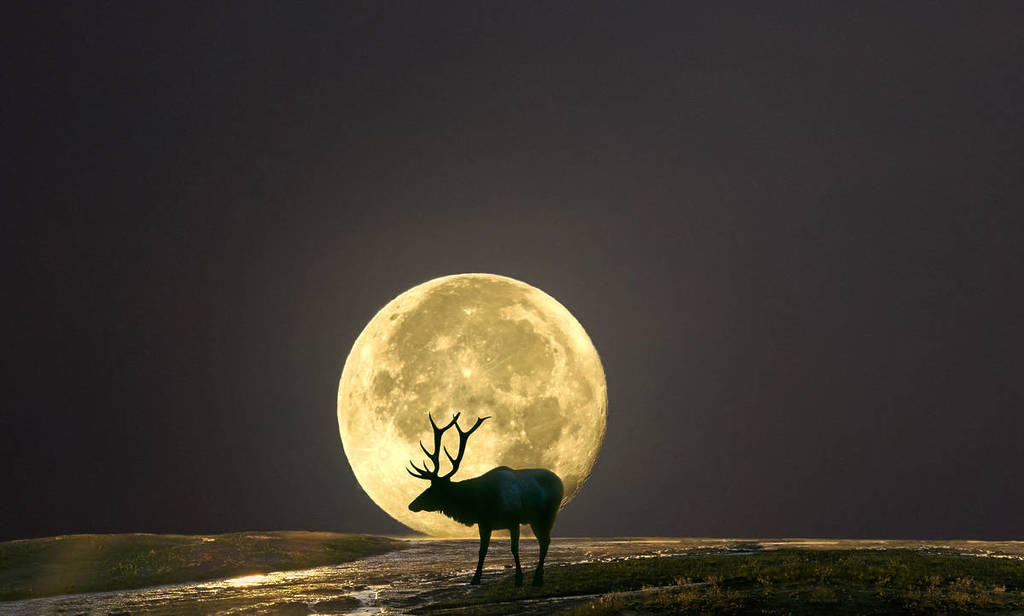
The full moon in July is known by this name due to Native American tribes that recognised this moon as signalling the period when male deer regrow their antlers — yes, they fall off and regrow every year!
Other Native American names for this month’s full moon include the Salmon Moon, Raspberry Moon and Thunder Moon, because of the frequency of thunderstorms in the hotter months in North America. On the other hand, the English sometimes know it as the Hay Moon, because of its closeness to the midsummer harvest.
This particular Buck Moon is even more special, as it is also a micro full moon — aka, the opposite of a supermoon — meaning that it’ll be at the furthest point from Earth in its orbit, known as its apogee. While this means that it’ll look a bit smaller and dimmer than usual, the moon is always worth seeing, so here are a few tips on how and when to do so.
When to see the Buck Moon
The Buck Moon will light up the skies in Australia the night of Wednesday, July 29 leading to Thursday July 30, with its peak illumination set to occur at around 12:35am, but any time during that night will allow you to bask in its beams, no equipment needed. You can check moonrise and moonset times for Brisbane here.
Where to see the Buck Moon?
You should be able to see the full moon, even as it sits at the one of its highest points from the horizon, almost anywhere, but it might be a bit trickier than usual if it’s cloudy.
And, of course, if you’re looking for the best viewing experience, we recommend heading out to a dark, clear location like the Mt Coot-tha Summit Lookout — although the light pollution coming from the city might make it a bit difficult — or, if you don’t mind a bit of a longer drive, places like Wild Horse Mountain and Lake Moogerah offer expansive views of the night sky.
When are the next supermoons?
The Buck Moon will have to tide you over until this year’s supermoons, which will rise on the following dates:
- November 24 — Beaver Moon
- December 24 — Cold Moon